

Mouth & Jaw

Mouthguards Protective, But Can Cause Disease: Study

Although commonly used to protect an athlete's teeth during contact sports, mouthguards are now being questioned for their potential to injure a player's mouth, and possibly to even cause exercise-induced asthma and allergies.  A new study finds that mouth-guards may increase the number and intensity of mouth cuts and abrasions, exposing an athlete to an increased chance of infection due to the bacteria, yeast, and fungi they collect.  Replacement every 14 days, or earlier if the mouthguard develops sharp or jagged edges, is now recommended.

Inexpensive Sports Safety Precautions Can Help Prevent Costly Sports Injuries

A new survey reveals parents do not take advantage of some inexpensive protective sports gear, such as mouth guards, in many kids' sports. Since many oral sports injuries can be prevented by wearing mouth guards, why aren't more parents and kids getting the message?

Mouth Guards in High School Sports: NFHS Position Statement

Properly fitted mouth guards reduce the oral-facial injury rate significantly in sports and are recommended for all contact sports by the NFHS.

Emergency Treatment of Athletic Dental Injuries

Emergency treatment advice in the event your child suffers a serious dental injury while playing sports.

Mouthguards: Important Safety Equipment

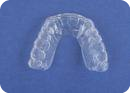
A mouthguard is a piece of soft plastic shaped to fit inside the mouth, protecting the lips, cheeks, tongue and teeth and the jaw when they are hit by large object - like a ball, or someone's elbow or head. Mouth guards help prevent injury to the mouth, teeth, lips, cheeks and tongue.  They also may increase the number and intensity of mouth
cuts and abrasions, thus exposing an athlete to an increased chance of
infection due to the bacteria, yeast, and fungi that they routinely collect.  Experts therefore recommend that mouthguards be sanitized daily and replaced after 14 days or when they develop sharp or jagged edges, whichever occurs first.

Syndicate content