Videos

After Concussion: Physical and Mental Rest Keys to Recovery

After a sports concussion physical and mental (e.g. cognitive) rest are keys to recovery, says Dr. William P. Meehan, which means no video games, homework, or other activities that tax the brain and force it to work extra hard.


Factors in Return To Play Decision After Concussion

When it is safe for a youth or high school athlete to return to play contact or collision sports after symptoms of concussion clear depends on many factors, says Dr. William Meehan, including the athlete's age, baseline test data, time symptoms take to clear and severity, and concussion history.


Concussion Laws Making Sports Safer, Says Guskiewicz

Concussion expert, Kevin Guskiewicz, PhD, ATC, Kenan Distinguished Professor and Director of the Matthew Gfeller Sport-Related Traumatic Brain Injury Research Center at The University of North Carolina at Chapel Hill, says the concussion safety laws now in place in a majority of states are making sports safer by providing for more concussion education and encouraging honest self-reporting, and that  sports medicine has come a "long way" in developing tools that can be used to identify concussion injury and guide the return-to-play decision.

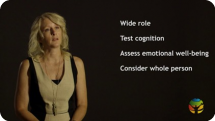
Neuropsychologist: Important Member of Concussion Care Team

Sports concussion neuropsychologist Rosemarie Scolaro Moser, Ph. D., explains why a neuropsychologist is an important member of the concussion care team.

For more MomsTeam videos featuring Dr. Moser, click here.

Return to Class After Concussion: Different For Every Student

When it is okay to return to a full academic school day after concussion is different for every student, says sports neuropsychologist Rosemarie Scolaro Moser, Ph. D. Some may be able to return after only a day or two, while others may need to be progressed more slowly, and, in those cases, it is important to work with a health care professional who understands concussion and academic accommodations who can design a program tailored to the individual student's needs.

For more MomsTeam videos featuring Dr. Moser, click here.

Why Cognitive and Physical Rest After Concussion?


Sports concussion neuropsychologist Rosemarie Scolaro Moser, Ph. D. says  the reason a student-athlete needs to get cognitive and physical rest after a concussion is to reduce the work the injured brain has to do to allow it to heal.

Cognitive rest means:

  • No computer or video games;
  • No homework;
  • No reading;
  • No tests;
  • Limited television (no sports programs); and
  • No socializing with friends (including text messaging).

Physical rest means:

Concussion Evaluation and Management: An Overview


Sports concussion neuropsychologist Rosemarie Scolaro Moser, Ph. D. provides an overview of the concussion evaluation and management process leading, hopefully, to a student-athlete's return to sports:

1. Immediate removal from play in case of suspected concussion.  Remember: symptoms may not appear right away, especially in younger athletes.  

2. Examination by physician to rule out a more serious, potentially life-threatening brain injury.

3. Cognitive and physical rest to allow the brain to heal.

4. Return to play only when:

Ivy League Football: A Trailblazer in Concussion Prevention, Says Penn's Laudano

New rules put in place by the Ivy League for the 2011 football season - including a reduction in the number of full-contact practices and drills - were designed to protect student-athletes from subconcussive hits considered a possible cause of long-term brain injury, says University of Pennsylvania head athletic trainer Eric Laudano, and blazed a trail he hopes other football conferences will follow.

Eating Foods Rich in Omega 3's: Heart Healthy And May Protect Against Concussion

Eating foods rich in Omega 3's (DHA or fish oil), such as tunafish or salmon, twice a week, is good  because they heart-healthy and may protect the brain against concussion, says sports nutritionist Nancy Clark.


For more Nancy Clark videos on MomsTeam, click here.

Post-Concussion Syndrome: New Treatments Offer Hope

Until recently, says Edward Feldman, DC, treatment options for post-concussion syndrome were "fairly limited" except for rest and pain medication. Now, he says, new therapies, such as craniosacral therapy and the Feldenkrais Method, offer hope to some patients for a full, or near complete, recovery from traumatic brain injury such as concussion. 

Other Dr. Feldman videos on MomsTeam:

Concussion Recovery: Craniosacral Therapy and Feldenkrais Method May Help


Syndicate content