Why Cognitive and Physical Rest After Concussion?
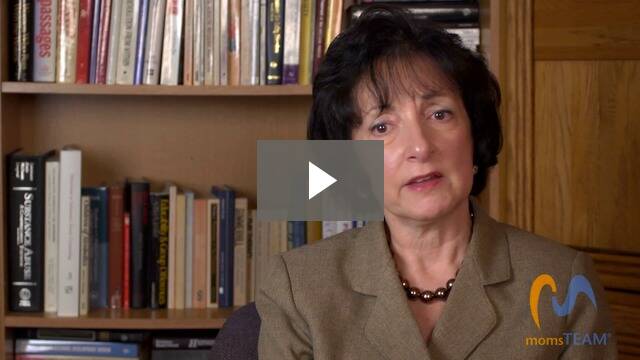
Like the vast majority of concussion experts, sports concussion neuropsychologist Rosemarie Scolaro Moser, Ph. D. says student-athlete need to get cognitive (e.g. mental) and physical rest after a concussion in order to reduce the work the injured brain has to do to allow it to heal.
Because a concussion impacts the brain's cognitive function (those that involve thinking, concentrating, learning and reasoning), not its structure, it makes sense that engaging in cognitive activities (in other words, doing something that requires thinking or paying attention ) is likely to make an athlete's concussion symptoms worse (although no link has been established to adverse long-term health effects)
Cognitive and physical rest means:
- Time off from school or work;
- No homework;
- No reading;
- No visually stimulating activities, such as computers, video games, texting or use of cell phones, and limited or no television;
- No exercise, athletics, chores that result in perspiration/exertion;
- No trips, social visits in or out of the home; and
- Increased rest and sleep.
How long a period of cognitive and physical rest a student-athlete will need varies, which is why she recommends that concussion recovery be managed by a sports concussion specialist.
For more MomsTeam videos featuring Dr. Moser, click here.
Updated October 1, 2014
- 16495 reads
- Flag as offensive
- Printer-friendly version